
Azelaic Acid in Korean Skincare: Benefits, How to Use It & the Best K-Beauty Products
Posted by KBeauty Australia on 22nd Sep 2026
Azelaic Acid in Korean Skincare: Benefits, How to Use It & the Best K-Beauty Products
If you've been keeping up with Korean skincare lately, you may have noticed azelaic acid appearing in more K-Beauty formulas — particularly products designed for blemishes, redness, uneven skin tone and post-acne marks.
But what exactly is azelaic acid, and why is it suddenly becoming such a sought-after skincare ingredient?
Unlike some actives that focus primarily on one concern, azelaic acid is a true multitasker. It can help manage blemish-prone skin, calm visible inflammation, improve uneven texture and reduce the appearance of post-acne discolouration and hyperpigmentation.
Even better, it is generally considered a relatively gentle active, making it an appealing option for people who find stronger exfoliating acids or retinoids difficult to tolerate.
From what azelaic acid actually does to how to introduce it into your routine, here's everything you need to know.
What Is Azelaic Acid?
Despite having "acid" in its name, azelaic acid isn't an exfoliating acid in quite the same way as the AHAs and BHAs commonly found in skincare.
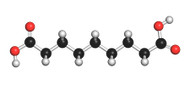
Azelaic acid is a naturally occurring dicarboxylic acid. It can be found naturally in grains such as wheat, rye and barley, although the azelaic acid used in modern skincare formulations is generally manufactured for consistency and stability.
In dermatology, topical azelaic acid has been extensively studied for conditions including acne and rosacea, with additional evidence supporting its ability to improve certain forms of hyperpigmentation.
Its versatility comes from the fact that it acts on several processes within the skin at once.
Azelaic acid has:
-
Anti-inflammatory properties
-
Antimicrobial activity
-
Keratinisation-regulating properties
-
Pigment-regulating activity
-
Antioxidant activity
In simpler terms, azelaic acid can address several of the factors involved in breakouts, redness, clogged pores and uneven pigmentation at the same time.
That's what makes it such an interesting ingredient for K-Beauty.
What Does Azelaic Acid Do for Your Skin?
1. Helps Manage Blemishes and Acne-Prone Skin
One of the best-established uses of azelaic acid is the management of acne-prone skin.
Acne isn't caused by one thing alone. Excess sebum, abnormal shedding of skin cells, clogged pores, bacteria and inflammation can all contribute to breakouts.
Azelaic acid tackles several of these factors.
It has antimicrobial properties and can help reduce the activity of bacteria associated with acne. It also influences the way skin cells keratinise and shed, helping reduce the build-up of dead skin cells that can contribute to blocked pores.
Its anti-inflammatory properties are another advantage, particularly for red, inflamed blemishes.
This combination makes azelaic acid particularly useful for people dealing with:
-
Pimples
-
Recurring blemishes
-
Congested skin
-
Red, inflamed breakouts
-
Uneven texture
-
Post-acne marks
Importantly, azelaic acid doesn't just target the breakout itself.
It can also help with what the breakout leaves behind.
2. Helps Fade Post-Acne Marks and Hyperpigmentation
For many people, getting rid of the pimple is only half the battle.
The flat red, pink, brown or greyish mark left behind can remain visible long after the blemish itself has healed.
Azelaic acid is particularly interesting here because it can help address both active blemishes and uneven pigmentation.
It interferes with the activity of tyrosinase, an enzyme involved in melanin production. By helping regulate excess pigment production, azelaic acid can gradually improve the appearance of areas of hyperpigmentation.
This makes it useful for people experiencing post-inflammatory hyperpigmentation (PIH) — the brown or darker marks that can remain after acne or inflammation.
What about red acne marks?
Not every post-acne mark is pigmentation.
If your marks are predominantly red or pink rather than brown, you may be looking at post-inflammatory erythema (PIE) rather than PIH.
PIE involves lingering vascular redness rather than excess melanin.
Azelaic acid doesn't "bleach" these marks. Instead, its anti-inflammatory properties can make it a useful ingredient in routines designed for skin that experiences both breakouts and persistent visible redness.
And because many people have a combination of active blemishes, redness and pigmentation, its multitasking nature can be particularly valuable.
3. Helps Calm Visible Redness
Azelaic acid's anti-inflammatory action is one of the reasons it has an established role in dermatology for rosacea.
Research has shown topical azelaic acid can improve inflammatory lesions and erythema associated with rosacea.
That doesn't mean every cosmetic azelaic acid serum should be treated as a rosacea medication — concentration, formulation and individual skin conditions matter.
However, it does help explain why azelaic acid has become so popular among people whose skin is simultaneously:
blemish-prone + sensitive + visibly red.
That's an important distinction.
Many traditional acne treatments can be quite drying or irritating. For someone whose skin becomes red and reactive easily, aggressively attacking breakouts can sometimes create another problem.
Azelaic acid offers a different approach.
If you have diagnosed or suspected rosacea, however, speak with your GP or dermatologist about the most appropriate treatment rather than relying solely on cosmetic skincare.
4. Can Improve Uneven Skin Texture
Azelaic acid also helps normalise keratinisation — essentially the process by which skin cells develop and shed.
When dead skin cells don't shed normally, they can contribute to clogged pores and rough, uneven texture.
By helping regulate this process, azelaic acid may gradually leave blemish-prone skin looking smoother and more refined.
However, don't expect the immediate "polished" feeling you might get from a strong AHA exfoliant.
Azelaic acid is better thought of as a consistent, gradual treatment rather than an instant resurfacing product.
5. May Be Suitable for Sensitive Skin
One of the reasons azelaic acid has developed such a loyal following is that it can offer several benefits associated with stronger actives while often being better tolerated.
That doesn't mean azelaic acid cannot cause irritation.
When you first introduce it, you may experience:
-
Mild tingling
-
Itching
-
Dryness
-
Tightness
-
Temporary redness
-
A slight stinging sensation
Higher concentrations are more likely to cause irritation, particularly if your skin barrier is already compromised or you're using several other active ingredients.
If you have sensitive skin, introduce azelaic acid slowly rather than immediately applying it twice daily.
Is Azelaic Acid an Exfoliant?
Not exactly.
This is one of the biggest misconceptions surrounding azelaic acid.
Because it's called an "acid", it's easy to group it together with glycolic acid, lactic acid and salicylic acid.
But they don't work in exactly the same way.
AHAs, such as glycolic and lactic acid, primarily exfoliate the surface of the skin.
BHA, most commonly salicylic acid, is oil-soluble and can penetrate into pores, making it particularly useful for blackheads, congestion and oily skin.
Azelaic acid has some effects on abnormal keratinisation, but its benefits extend much further into antimicrobial, anti-inflammatory and pigment-regulating activity.
So rather than thinking:
Azelaic acid = another exfoliating acid
think:
Azelaic acid = a multitasking treatment for blemishes, inflammation, uneven tone and texture.
Azelaic Acid vs Salicylic Acid: Which Is Better for Acne?
Neither ingredient is universally "better". They have different strengths.
Salicylic acid may be particularly useful for:
-
Blackheads
-
Whiteheads
-
Oily skin
-
Congested pores
-
Excess sebum
Because salicylic acid is oil-soluble, it is particularly effective at working within oily, congested pores.
Azelaic acid may be particularly useful for:
-
Inflamed blemishes
-
Acne accompanied by redness
-
Post-acne pigmentation
-
Uneven skin tone
-
Sensitive or easily irritated blemish-prone skin
Some people benefit from both ingredients — but that doesn't mean you need to start both at once.
If you're prone to irritation, introduce one active first and allow your skin to adjust.
Azelaic Acid vs Niacinamide
These two ingredients aren't really competitors.
In fact, they can work extremely well together.
Niacinamide is a form of vitamin B3 that can help support the skin barrier, regulate excess sebum and improve the appearance of uneven tone.
Azelaic acid provides complementary benefits by targeting blemishes, inflammation, abnormal keratinisation and excess pigmentation.
This makes azelaic acid + niacinamide a particularly appealing combination for oily, blemish-prone skin experiencing post-acne marks.
Some Korean formulations conveniently include both ingredients in the same product.
Azelaic Acid vs Vitamin C
Both azelaic acid and vitamin C can be incorporated into routines targeting uneven skin tone and hyperpigmentation, but they work differently.
Vitamin C is best known as an antioxidant that helps defend the skin against oxidative stress while supporting a brighter, more even-looking complexion.
Azelaic acid is particularly useful when pigmentation occurs alongside breakouts, congestion or redness.
You don't necessarily have to choose between them.
However, if your skin is sensitive, using multiple actives together can increase the potential for irritation.
A simple approach is to use:
Vitamin C in the morning
and
Azelaic acid in the evening.
Alternatively, alternate them on different days while your skin adjusts.
Azelaic Acid vs Retinol and Retinal
Retinoids and azelaic acid can both be valuable for acne and uneven pigmentation, but their mechanisms are different.
Retinoids such as retinol and retinal influence cellular turnover and have extensive applications in acne and photoageing routines.
Azelaic acid provides antimicrobial, anti-inflammatory and pigment-regulating benefits.
They can potentially be used within the same overall routine, but introducing both simultaneously isn't a good idea if you're new to active skincare.
A beginner-friendly approach could be:
Morning: Azelaic acid
Evening: Retinoid
Or alternate them on different nights.
The goal isn't to fit as many active ingredients into your routine as possible.
Consistency without irritation is far more valuable than an unnecessarily complicated routine.
Can You Use Azelaic Acid With AHA or BHA?
Yes, but whether you should depends on your skin.
Combining azelaic acid with glycolic acid, lactic acid or salicylic acid can create an intensive routine for acne, congestion and uneven texture.
It can also create irritated, dehydrated skin if you overdo it.
If you're already using an exfoliating acid, consider using it on different nights from your azelaic acid initially.
For example:
Monday: Azelaic acid
Tuesday: Hydrating/barrier routine
Wednesday: BHA
Thursday: Azelaic acid
There is no prize for using every active every night.
What Percentage of Azelaic Acid Should You Use?
You'll encounter azelaic acid in several concentrations.
Prescription dermatological preparations may contain 15% or 20% azelaic acid, while cosmetic Korean skincare commonly uses lower or moderate concentrations, including increasingly popular 10% formulas.
But a higher percentage doesn't automatically make a product better.
Formulation matters.
A well-designed 10% serum paired with calming and hydrating ingredients may be much easier to incorporate consistently than a stronger formula that leaves your skin irritated.
If you're a beginner
A lower concentration or gentler formulation can be an excellent introduction.
If you're already comfortable with active skincare
A 10% cosmetic formula may be appropriate, depending on your routine and skin tolerance.
If you're trying to treat a diagnosed skin condition
Speak to a healthcare professional about whether a prescription-strength product is appropriate.
Does Azelaic Acid Cause Purging?
This is a complicated one.
"Purging" is often used online to describe virtually any breakout that happens after starting a new product.
A true purge is associated with ingredients that influence skin-cell turnover and can cause existing microcomedones to surface more quickly.
Because azelaic acid can influence keratinisation, some people report an initial increase in blemishes when introducing it.
However, don't automatically assume every breakout is purging.
If your skin suddenly becomes:
-
Very itchy
-
Painfully inflamed
-
Rash-like
-
Increasingly red
-
Burning or stinging
-
Progressively worse over several weeks
your skin may simply dislike the product or your routine may be causing irritation.
Continuing to apply something indefinitely because social media told you to "push through the purge" isn't always a good idea.
How Long Does Azelaic Acid Take to Work?
Azelaic acid is not an overnight treatment.
As with most skincare actives, consistency matters.
Some people may notice improvements in the appearance of their skin within several weeks, while concerns such as acne and pigmentation can require considerably longer.
Clinical studies of azelaic acid commonly assess results over periods such as 8–12 weeks or longer.
Hyperpigmentation in particular takes time to fade.
And there's another essential part of the equation:
sunscreen.
If you're trying to improve post-acne pigmentation while exposing your skin to UV radiation without adequate protection, you're working against your own skincare routine.
How to Use Azelaic Acid in Your Korean Skincare Routine
Azelaic acid can generally be used in either your morning or evening routine.
A simple routine could look like this:
Morning
-
Gentle cleanser
-
Hydrating toner or essence
-
Azelaic acid serum
-
Moisturiser
-
Broad-spectrum sunscreen
Evening
-
Cleanser
-
Toner or essence
-
Azelaic acid
-
Moisturiser
You don't need a 10-step routine for azelaic acid to work.
In fact, when introducing a new active, simpler is often better because it makes it easier to determine how your skin is responding.
How Often Should You Use Azelaic Acid?
Although some products are formulated for daily or twice-daily use, that doesn't mean beginners need to start there.
If you're new to azelaic acid, consider starting 2–3 times per week.
If your skin tolerates it comfortably, gradually increase to every other day and eventually daily use if appropriate.
Sensitive skin?
Go even slower.
Skincare isn't a race.
Should You Apply Azelaic Acid Before or After Moisturiser?
Usually, a serum or ampoule containing azelaic acid is applied after cleansing and toner but before moisturiser.
However, if your skin is particularly sensitive, you can sometimes use moisturiser as a buffer:
Cleanser → moisturiser → azelaic acid
or sandwich the active between moisturising layers.
Always follow the directions for your particular product, as formulations vary.
Can You Use Azelaic Acid Every Day?
Many people can.
Once your skin has adjusted, azelaic acid can often be incorporated into a daily skincare routine.
But there's no reason to force daily use if your skin looks and feels better using it every second day.
Your ideal frequency depends on:
-
Product concentration
-
Formula
-
Skin sensitivity
-
Other active ingredients
-
Current condition of your skin barrier
Who Is Azelaic Acid Best For?
Azelaic acid is particularly worth considering if you're dealing with more than one concern at once.
For example:
Blemish-prone + pigmented
You get pimples and then spend months waiting for the marks to disappear.
Blemish-prone + sensitive
You want to target breakouts but find strong exfoliating treatments too aggressive.
Red + blemish-prone
Your breakouts are accompanied by persistent visible redness.
Uneven tone + texture
You're dealing with both roughness and areas of discolouration.
This overlap is one of azelaic acid's biggest strengths.
Instead of needing one ingredient for every individual concern, azelaic acid can target several pathways simultaneously.
Who Should Be Careful With Azelaic Acid?
Azelaic acid is generally considered well tolerated, but every skin type is different.
Take extra care if:
-
Your skin barrier is currently damaged
-
You're experiencing active dermatitis or severe irritation
-
You're already using several strong actives
-
You've recently introduced a retinoid
-
You're using prescription acne treatments
-
Your skin is extremely reactive
Patch testing is always sensible.
And if you're treating persistent acne, rosacea, melasma or another skin condition, seek advice from your doctor or dermatologist.
How to Choose a Korean Azelaic Acid Product
One of the advantages of the current generation of Korean azelaic acid skincare is that brands aren't simply putting azelaic acid into a basic cream.
They're combining it with complementary ingredients depending on the skin concern.
That means the best product isn't necessarily the one with the biggest percentage printed on the bottle.
Consider what else your skin needs.
For Blemishes + Post-Acne Marks: PURITO SEOUL Azelaic Acid 10 Kojic Tea Tree Serum
The PURITO SEOUL Azelaic Acid 10 Kojic Tea Tree Serum combines 10% azelaic acid with kojic acid, niacinamide and tea tree.
It's designed for the person who isn't just experiencing active blemishes but is also concerned about the marks and uneven tone they leave behind.
Kojic acid and niacinamide add further brightening support, while tea tree targets the needs of blemish-prone skin.
Best suited to: blemishes + post-acne discolouration + uneven skin tone.
For Sensitive, Red, Blemish-Prone Skin: SKIN1004 Madagascar Centella Azelaic Acid 10 Ampoule
If the idea of using an active on already irritated skin makes you nervous, the SKIN1004 Madagascar Centella Azelaic Acid 10 Ampoule takes a very K-Beauty approach to the ingredient.
It combines 10% azelaic acid with SKIN1004's signature Madagascar Centella-focused formulation.
Centella asiatica is widely used in Korean skincare to soothe and support sensitive, stressed skin, making this an appealing option when your priorities include both blemish care and calming.
Best suited to: blemishes + visible redness + sensitive or easily stressed skin.
For Targeted Blemish Care: Mary & May Spicule Azelaic PDRN Spot Cream
This is not your conventional azelaic acid serum.
The Mary & May Spicule Azelaic PDRN Spot Cream contains 2% azelaic acid alongside micro-spicules, salicylic acid, tea tree leaf water, Zinc PCA and plant-derived PDRN.
It's designed as a targeted spot treatment, rather than something you necessarily need to spread across your entire face.
It also contains barrier-supportive ingredients including panthenol, Ceramide NP and hyaluronic acid.
Because it combines several active technologies, this is better suited to someone looking for targeted blemish care rather than an ultra-simple beginner azelaic acid formula.
Best suited to: targeted blemishes + uneven texture + post-blemish areas.
For a Complete Azelaic Acid Routine: NINE LESS A-CONTROL
The NINE LESS A-CONTROL collection gives you several different ways to incorporate azelaic acid depending on your preferred texture and routine.
NINE LESS A-CONTROL 10% Azelaic Acid Serum
The 10% Azelaic Acid Serum is the obvious choice if you want azelaic acid to be the dedicated treatment step in your routine.
A serum format also makes it easy to keep the rest of your routine simple:
Cleanser → toner → azelaic acid serum → moisturiser.
NINE LESS A-CONTROL Azelaic Acid Toner
Prefer lightweight layers?
The A-CONTROL Azelaic Acid Toner allows you to incorporate the ingredient earlier in your routine, making it useful for those who don't necessarily want another treatment serum.
NINE LESS A-CONTROL Azelaic Acid Cream
For those who prefer their active ingredients incorporated into a moisturising step, the A-CONTROL Azelaic Acid Cream provides another option.
You don't need to use the toner, serum and cream simultaneously simply because they're part of the same collection.
Choose the format that makes the most sense for your skin and your existing routine.
For Convenient Toner-Pad Application: VT Cosmetics Azelaic Acid (AZ Care) Toner Pad
If you prefer the convenience of toner pads, the VT Cosmetics Azelaic Acid (AZ Care) Toner Pad offers another way to incorporate azelaic-focused care.
Pre-soaked toner pads can be particularly convenient for quickly applying product across areas prone to congestion and uneven texture.
Again, pay attention to your total active load. Using an active toner pad followed by several other exfoliating or treatment products isn't automatically better.
Best suited to: those who prefer toner pads and an easy, convenient treatment step.
Can You Combine Several Azelaic Acid Products?
Technically you could.
But you probably don't need to.
Using an azelaic acid toner followed by a 10% azelaic acid serum followed by an azelaic acid cream isn't necessarily going to give you three times the results.
It may simply increase irritation.
Choose one primary azelaic acid product, build your routine around it, and assess your skin over time.
Korean skincare is often associated with layering, but intelligent layering doesn't mean using as many products as possible.
What Ingredients Pair Well With Azelaic Acid?
Azelaic acid can fit particularly well alongside supportive ingredients including:
Centella Asiatica
Ideal when blemishes occur alongside sensitivity and visible redness.
Niacinamide
A useful pairing for excess oil, uneven tone and post-acne marks.
Ceramides
Help support the skin barrier, particularly useful when introducing active skincare.
Panthenol
A soothing, moisturising ingredient commonly found in barrier-focused Korean skincare.
Hyaluronic Acid
Provides hydration without competing with azelaic acid's treatment benefits.
PDRN
Increasingly used in Korean skincare products designed to support the appearance of recovering or stressed skin.
A routine doesn't have to contain five different treatment actives.
Often the smartest strategy is:
one targeted active + several calming, hydrating and barrier-supporting ingredients.
Does Azelaic Acid Make Your Skin More Sensitive to the Sun?
Azelaic acid isn't generally considered photosensitising in the same way as some other skincare actives.
However, daily sunscreen is still essential, particularly if you're using azelaic acid to improve hyperpigmentation or post-acne marks.
UV exposure can worsen pigmentation and undo much of the progress you're trying to make.
Use a broad-spectrum sunscreen every morning and reapply as appropriate.
Is Azelaic Acid Good for "Glass Skin"?
Azelaic acid isn't a classic "glass skin" ingredient in the same sense as deeply hydrating essences and glow-enhancing serums.
But it can help address some of the things standing between you and a clearer-looking complexion:
-
Blemishes
-
Rough texture
-
Visible redness
-
Uneven tone
-
Post-acne marks
Think of azelaic acid as helping improve the clarity and evenness of the canvas, while hydrating ingredients provide the plump, luminous finish associated with glass skin.
Is 10% Azelaic Acid Strong?
A 10% concentration has become particularly popular in cosmetic skincare.
It's substantial enough to make azelaic acid a meaningful part of the formula while remaining below the 15–20% concentrations commonly encountered in medicated formulations.
However, "10%" doesn't tell you everything about how a product will feel or perform.
The complete formulation matters enormously.
A product containing azelaic acid alongside Centella, panthenol and other soothing ingredients may feel very different from one containing azelaic acid alongside multiple exfoliating or brightening actives.
Choose according to the whole formula, not the headline percentage alone.
Frequently Asked Questions About Azelaic Acid
Is azelaic acid good for acne?
Azelaic acid is one of the better-studied topical ingredients for acne. It has antimicrobial, anti-inflammatory and keratinisation-regulating properties, allowing it to address several processes involved in blemish formation.
Does azelaic acid help acne scars?
It depends what you mean by "scars".
Azelaic acid can help improve post-acne hyperpigmentation and uneven tone, but these flat marks are not the same thing as true acne scars.
Indented or raised acne scars involve structural changes in the skin and generally require professional treatments rather than skincare alone.
Does azelaic acid fade dark spots?
Azelaic acid can help improve hyperpigmentation because it interferes with tyrosinase activity and excess melanin production. Results are gradual, and daily sun protection is important.
Does azelaic acid help redness?
Its anti-inflammatory properties can help reduce visible inflammation, and prescription azelaic acid has an established role in rosacea treatment. Persistent or severe redness should be assessed by a healthcare professional.
Can I use azelaic acid with niacinamide?
Yes. They're often an excellent combination, particularly for blemish-prone skin experiencing excess oil and post-acne discolouration.
Can I use azelaic acid with retinol?
Potentially, yes. If your skin is sensitive, use azelaic acid in the morning and your retinoid at night, or alternate them on different days while your skin adjusts.
Can I use azelaic acid with salicylic acid?
Yes, but combining them may increase irritation. Beginners and sensitive skin types may prefer to alternate them rather than layering both at once.
Can I use azelaic acid with vitamin C?
Yes. If layering them irritates your skin, use vitamin C in the morning and azelaic acid at night.
Can I use azelaic acid morning and night?
Some formulations are suitable for twice-daily use, but beginners don't need to start that frequently. Begin slowly and follow the directions for your particular product.
Can sensitive skin use azelaic acid?
Often, yes, which is one of the reasons the ingredient is so popular. However, any active can cause irritation. Patch test first and introduce it gradually.
Should I moisturise after azelaic acid?
Generally, yes. Following azelaic acid with a moisturiser can help maintain hydration and support your skin barrier.
How long should I use azelaic acid?
Azelaic acid works through consistent use rather than providing an instant result. Give your routine time to work and assess changes over several weeks to months rather than several days.
The Bottom Line: Is Azelaic Acid Worth the Hype?
For once, this is a trending skincare ingredient with substantial dermatological research behind it.
Azelaic acid isn't a miracle ingredient, and it won't transform your complexion overnight.
What makes it compelling is its versatility.
It can simultaneously address several concerns that frequently occur together:
blemishes + redness + post-acne marks + uneven texture + uneven pigmentation.
That's a particularly valuable combination for people who don't want to build a complicated routine around multiple aggressive actives.
And K-Beauty's take on azelaic acid makes the ingredient even more interesting.
Rather than treating it in isolation, Korean formulas increasingly combine azelaic acid with ingredients such as Centella asiatica, niacinamide, tea tree, kojic acid, ceramides, panthenol and PDRN, allowing you to choose a formula based on your wider skin concerns.
If you're new to azelaic acid, start slowly, keep the rest of your routine relatively simple and pay attention to your skin.
The most effective skincare routine isn't the one with the most trending ingredients.
It's the one your skin can tolerate consistently.
Shop our range of Korean Azelaic Acid Skincare
This article is for general skincare education only and is not intended to diagnose or treat a medical condition. If you have persistent acne, rosacea, melasma or significant skin irritation, consult a qualified healthcare professional.